
The Tavern, the Game, and Chance
The Reincarnationist PapersChance, Auda, and the other members turn gambling and spectacle into social rituals that reveal how they use luck, wealth, and risk to define themselves.
increasing Bearing strength in each event
 decreasing
Bearing strength in each eventdecreasingChance’s Reputation

Chance’s Reputation
A gambler’s self-image
Chance describes himself not as a gambler but as a winner. The distinction makes success part of his identity rather than a result of a particular game.
Luck held in the hand
He gives Evan dice made from bones of his previous body, claiming they brought him luck. The gift turns chance into a token that can pass between members.
Confidence performed publicly
Chance’s stories and wagers entertain the group, but they also reveal a need to control how others see him. His self-assurance is part of the spectacle surrounding the Cognomina’s gatherings.
Auda at the Poker Table
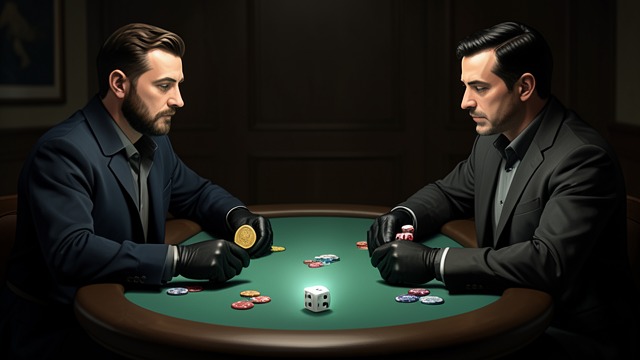
Auda at the Poker Table
A contest of skill and nerve
Auda plays against Chance and wins successive hands. The table draws a crowd because both men treat the game as a test of confidence as well as money.
A gift placed on Evan
Auda eventually gives Evan a gold coin rather than asking him to lend Chance the lucky dice. The gesture draws Evan into the game’s shifting loyalties.
Wealth as entertainment
The game shows how accumulated resources let members turn large sums into an evening’s diversion. Their casual wagering contrasts sharply with Evan’s recent poverty and unsettles his sense of scale.
The Fortune Teller’s Reading

The Fortune Teller’s Reading
A stranger reads Evan’s palm
A traveling performer tells Evan that he has been lonely, stands amid great changes, and may receive wealth. The statements echo conditions already visible in his life.
A familiar uncertainty
Evan wonders whether she has simply read his expression or noticed his circumstances. Her predictions are not proof, but they resonate because he is actively deciding what kind of life to pursue.
Fortune as projection
The episode places fortune-telling beside the Cognomina’s confidence in verified memory. It invites the reader to consider how people use prediction when the future remains uncertain even to those who remember the past.
Gifts and the Welcome
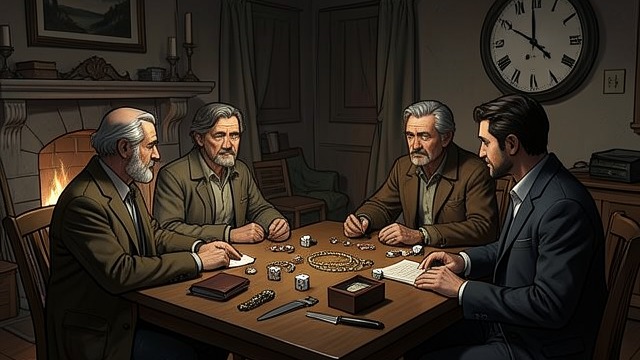
Gifts and the Welcome
Each member offers something
The Cognomina welcomes Evan with gifts ranging from dice and jewelry to money, political favors, and a dagger. The variety makes the group’s histories visible through the objects they choose to pass on.
Auda’s investment
Auda places five thousand dollars into an account Evan can access after returning in a future life. The gift expresses confidence in a continuity Evan is still learning to trust.
A society made tangible
The ceremony turns abstract membership into objects, food, music, and obligation. The gifts show generosity while also illustrating the different forms of wealth and power the members have accumulated.
Pleasure as a Social Code
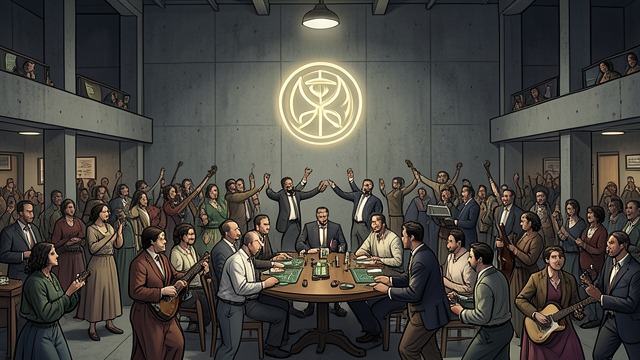
Pleasure as a Social Code
The festival expands
Food, music, gambling, and performance fill the underground hall. The members treat indulgence as a way to celebrate a rare addition to their company.
Different limits emerge
Evan is newly arrived and unsure how to interpret the group’s excesses. Some members embrace the revelry, while others, including Clovis, remain outside its center.
A test of belonging
The celebration offers acceptance through shared experience but can also overwhelm a newcomer. Its abundance makes visible the range of ways the members respond to their long and unusual lives.
At Evan’s welcome gathering
During the festival after Evan’s acceptance
During Evan’s first Cognomina festival
At the banquet after Evan’s vote
Late in the welcome festival
